The UV Index Explained: What Each Number Means
A seasonal readout of the 0–11+ scale — shadow rule included.
We may earn a commission when you buy through links on this page, at no extra cost to you. This does not change which products we cover. How we make money.

The UV Index is a daily forecast of how strong the sun’s ultraviolet rays will be. The US version conforms with World Health Organization guidelines for UVI reporting (EPA). Higher numbers mean skin and eyes can be harmed faster — useful framing before you pack a beach shade or a sun hoodie.
What each level means
The EPA publishes a condensed scale. We keep their wording close to the agency page:
| UV Index | EPA level | What the EPA advises |
|---|---|---|
| 1 to 2 | Low | No protection needed for most people. You can safely stay outside using minimal sun protection. |
| 3 to 7 | Moderate to high | Protection needed. Seek shade during late morning through mid-afternoon. When outside, generously apply broad-spectrum SPF-15 or higher sunscreen on exposed skin, and wear protective clothing, a wide-brimmed hat, and sunglasses. |
| 8+ | Very high to extreme | Extra protection needed. Be careful outside, especially during late morning through mid-afternoon. If your shadow is shorter than you, seek shade and wear protective clothing, a wide-brimmed hat, and sunglasses, and generously apply a minimum of SPF-15, broad-spectrum sunscreen on exposed skin. |
Shade, clothing, a wide-brimmed hat, sunglasses and broad-spectrum SPF 15+ are the EPA’s outdoor stack when the Index is moderate or higher.
The shadow rule
No forecast on your phone? The EPA’s field check:
- If your shadow is taller than you (early morning and late afternoon), UV exposure is likely lower.
- If your shadow is shorter than you (around midday), you are getting higher UV — seek shade and protect skin and eyes.
If your shadow is shorter than you, seek shade and wear protective clothing, a wide-brimmed hat, and sunglasses. EPA · UV Index Scale
Sunscreen lines that still matter
Agency sunscreen consumer pages and FDA labeling keep returning to the same practical lines:
- Prefer broad spectrum SPF 15 or higher when the Index calls for sunscreen (EPA). Many dermatology groups, including the AAD, prefer SPF 30+ for daily use — that is a separate recommendation from the Index scale itself.
- Reapply at least every 2 hours, and after swimming or sweating. FDA labels do not allow “waterproof” or “sweatproof” claims; water resistance is labeled for 40 or 80 minutes.
- Use enough: about 1 ounce (a shot-glass amount) to cover an adult body is the common consumer guidance tied to FDA education pages.
- Midday still concentrates UV. Pair sunscreen with shade and clothing rather than treating lotion as the whole plan.
Build a sun kit around the Index
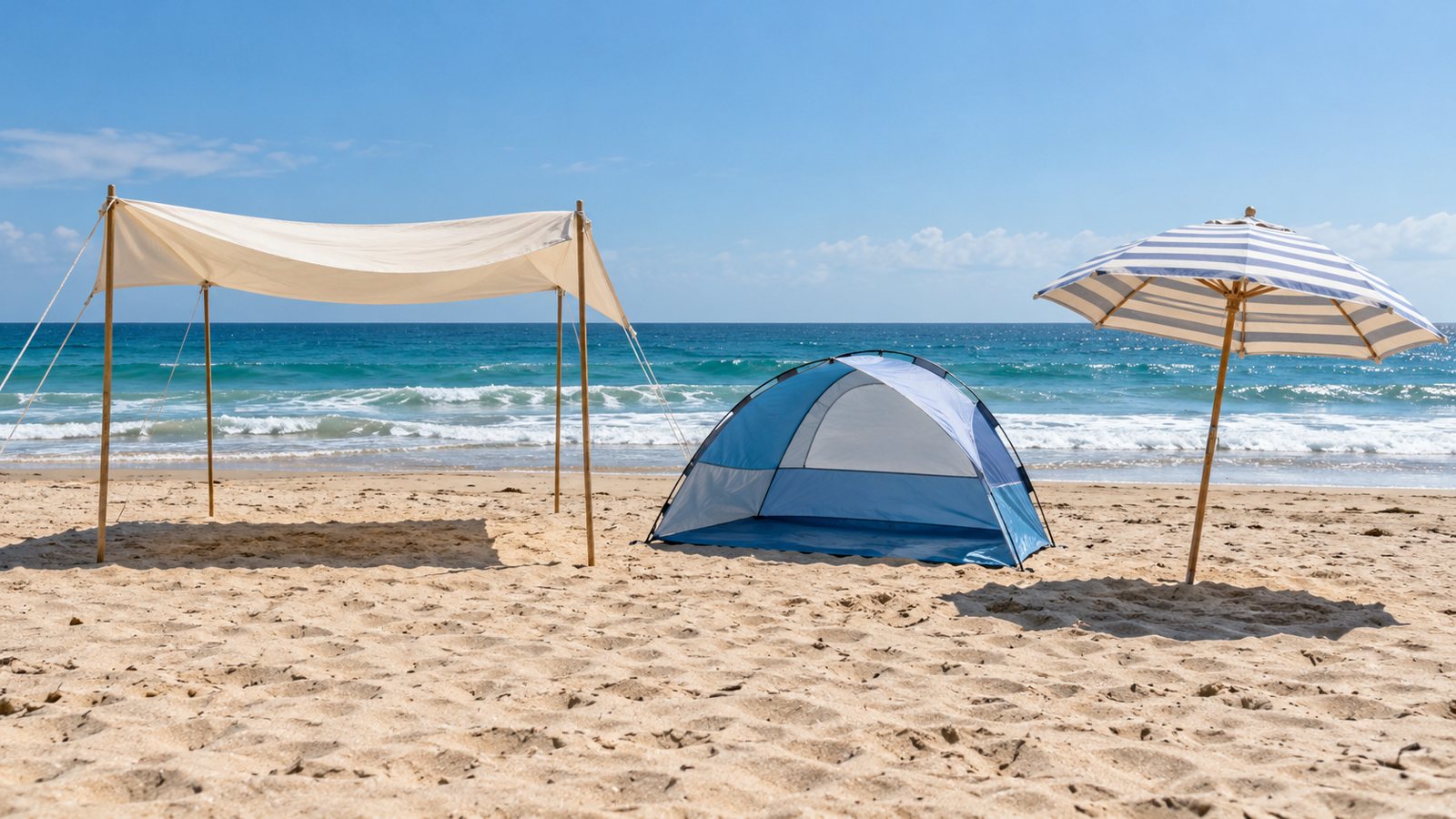
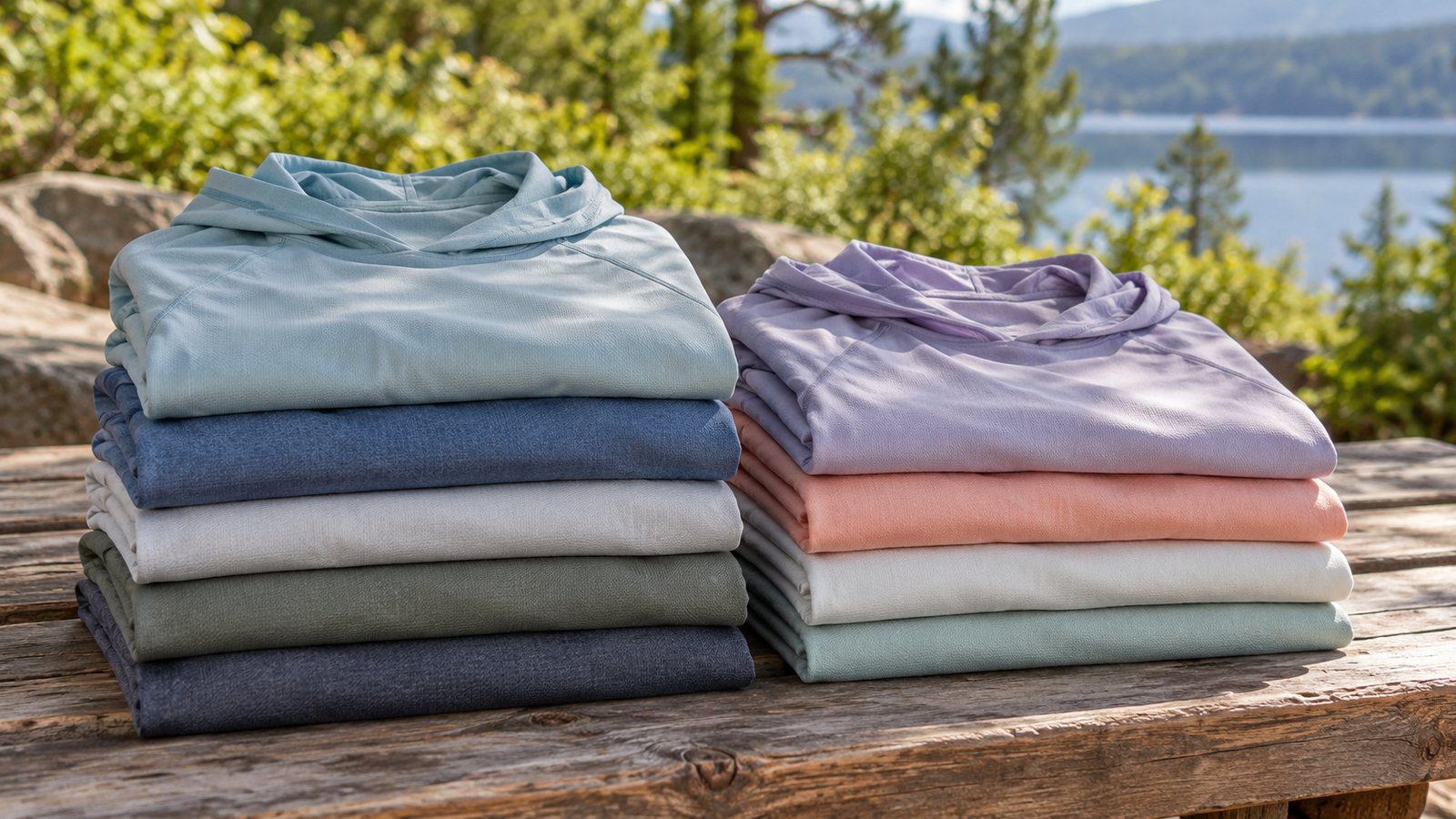
Shade and clothing do the heavy lifting on long beach or trail days. A beach canopy, a wide-brimmed hat and UV-labeled sunglasses cut how much sunscreen has to do on covered skin. Compare shade structures in our beach shade roundup, then layer UPF sun hats and sun shirts.
Seasonal framing (without inventing local forecasts)
- Spring: Index climbs before air temperature feels “hot.” Check the forecast even on breezy days.
- Summer: 8+ afternoons are common in many US latitudes — pack shade before noon.
- Fall: Lower sun angle helps; sand and water still reflect.
- Winter: Snow reflection raises exposure on bright days even when the Index looks moderate.
Always read the day’s Index for your zip code rather than assuming last week’s weather.
Next steps
Frequently asked questions
What is a high UV Index?
The EPA groups 3–7 as moderate to high and 8+ as very high to extreme. From 3 up, it advises shade around midday plus broad-spectrum SPF 15+, clothing, a wide-brimmed hat and sunglasses.
What is the shadow rule?
The EPA says if your shadow is shorter than you are (around midday), UV exposure is higher — seek shade and protect skin and eyes. A taller shadow (early morning or late afternoon) usually means lower UV.
Is any sunscreen waterproof?
No. FDA labeling allows water resistant for 40 or 80 minutes. Sunscreens cannot be labeled waterproof or sweatproof.